
TRT Guide
How to Maximize TRT Results with Lifestyle Changes
Many men start testosterone replacement therapy to address fatigue, low libido, muscle loss, and brain fog. TRT can produce dramatic improvements, but…
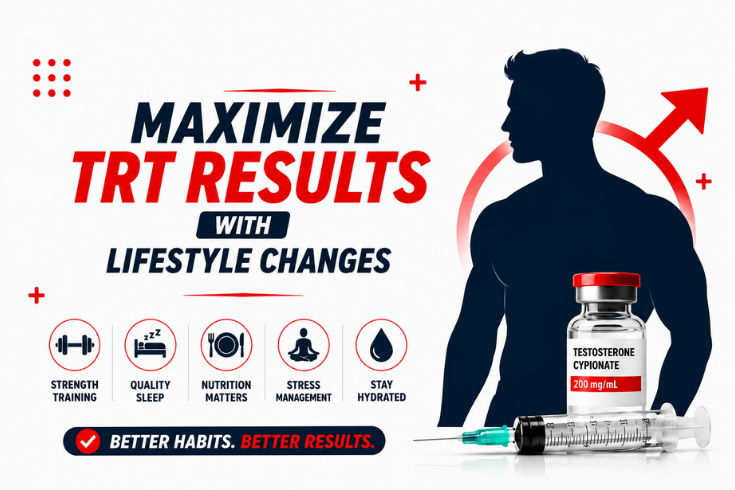
Many men start testosterone replacement therapy to address fatigue, low libido, muscle loss, and brain fog. TRT can produce dramatic improvements, but medication alone often leaves potential gains on the table. By combining evidence-based TRT with targeted lifestyle changes you can reach better energy, strength, and sexual function while reducing side effects.
TRT Foundation – concise description: an educational resource on testosterone replacement therapy and men’s hormone health. This guide focuses on practical, clinician-friendly strategies to maximize TRT results through diet, training, sleep, lab monitoring, and safe supplement use.
How TRT and lifestyle interact
Testosterone injections or gels replace what the body no longer makes reliably, but endogenous systems respond to lifestyle inputs. Diet, exercise, sleep, and stress management affect SHBG, aromatase activity, insulin sensitivity, and inflammation. These factors change free testosterone availability and how you feel on treatment.
Think of TRT as a foundation. Medication sets baseline hormone levels while lifestyle determines how effectively that hormone supports muscle, mood, and sexual function. Optimizing both yields faster results and fewer adjustments in dosing.
Diet strategies that support TRT
Diet is one of the fastest ways to influence body composition, energy, and hormone balance. Focus on the quality and timing of calories to support muscle growth and stable blood sugar.
- Protein target: Aim for 0.7 to 1.0 grams per pound of bodyweight daily. For a 180 lb man, that equals roughly 125 to 180 grams of protein. Prioritize lean meats, fish, eggs, and dairy.
- Healthy fats: Include 20 to 35 percent of calories from fats, with emphasis on monounsaturated and omega-3 fats. Foods like olive oil, avocados, walnuts, and fatty fish help support hormone production.
- Carbohydrate timing: Use carbs around training to fuel performance and recovery. Whole grains, starchy vegetables, and fruits help replenish glycogen without excessive insulin spikes.
- Micronutrients: Ensure adequate zinc, magnesium, and vitamin D. Low levels of these nutrients correlate with worse TRT outcomes. Consider testing vitamin D and supplementing to maintain 30 to 50 ng/mL.
Example meal plan: breakfast of eggs, spinach, and oatmeal; lunch of grilled chicken with quinoa and vegetables; pre-workout banana and Greek yogurt; post-workout protein shake; dinner of salmon, sweet potato, and salad.
Exercise protocols to amplify gains
Resistance training is the single most potent stimulus to convert testosterone into muscle and strength. Combine compound lifts with progressive overload and adequate recovery to see measurable changes within 8 to 12 weeks.
- Strength phase: 3 to 5 sets of 4 to 6 reps for compound movements such as squats, deadlifts, and bench press, twice weekly.
- Hypertrophy phase: 8 to 12 reps per set with 3 to 4 sets across accessory exercises to increase muscle cross-sectional area.
- Cardio: Include 2 sessions of moderate-intensity cardio per week or 1 session of high-intensity interval training to maintain cardiovascular health without hampering recovery.
Recovery is essential. If you feel persistent fatigue, reduce training volume for one week and reassess sleep and caloric intake.
Sleep and stress management
Sleep quality strongly affects mood, cognition, appetite, and testosterone function. Aim for 7 to 9 hours per night on a consistent schedule. Poor sleep elevates cortisol and lowers free testosterone despite adequate total testosterone on labs.
- Sleep hygiene: Dim lights 60 to 90 minutes before bed, avoid screens, keep the room cool, and follow a regular wake time.
- Stress tools: Use daily breathing exercises, brief walks, or progressive muscle relaxation to reduce cortisol peaks. Chronic stress reduces treatment benefits and can increase aromatase activity.
Medication management and lab monitoring
Medication type and dosing schedule matter. Many clinicians prefer short-interval dosing to minimize troughs and peaks. For example, testosterone cypionate at 50 to 100 mg twice weekly often produces steadier levels than 200 mg every two weeks.
Important labs to monitor include total testosterone, free testosterone or calculated free T, estradiol, hematocrit, PSA, liver enzymes, lipid profile, and fasting glucose or A1c. Initial labs should be drawn before starting TRT, then 4 to 12 weeks after dose changes, and every 6 to 12 months once stable.
Targets and safety markers:
- Total testosterone: Many clinicians aim for mid-normal range, approximately 400 to 700 ng/dL, depending on lab reference ranges and symptoms.
- Estradiol: Keep estradiol in a healthy range to avoid low libido or gynecomastia. Typical target is 20 to 40 pg/mL, individualized to symptoms.
- Hematocrit: Maintain below 54 percent. If hematocrit climbs, consider reducing dose, increasing interval, or therapeutic phlebotomy.
Supplements and natural support
Supplements cannot replace TRT but can fill nutritional gaps and support overall outcomes. Choose products with clinical evidence and third-party testing.
- Vitamin D: Supplement 1,000 to 5,000 IU daily based on baseline levels to reach 30 to 50 ng/mL.
- Zinc and magnesium: 10 to 30 mg zinc and 200 to 400 mg magnesium daily if dietary intake is low.
- Fish oil: 1 to 2 grams of combined EPA and DHA supports cardiovascular health and may reduce inflammation.
- Avoid unproven boosters: Be cautious with proprietary blends promising rapid testosterone spikes. Many have weak evidence and can interact with medications.
Monitoring progress and realistic timelines
Expect a staged improvement with TRT plus lifestyle optimization. Energy and mood often improve within 2 to 6 weeks. Strength and sexual function commonly improve within 6 to 12 weeks, and changes in body composition can take 12 to 24 weeks with consistent training and diet.
Track both subjective and objective measures: symptom questionnaires, body weight and composition, lifting performance, and lab numbers. Adjust one variable at a time so you can identify what makes the difference.
Practical checklist to follow this month
Start with these steps to convert knowledge into action without overwhelming yourself.
- Get baseline labs: total and free testosterone, estradiol, hematocrit, PSA, lipid panel, and vitamin D.
- Set a protein and calorie goal aligned with your training phase.
- Commit to 3 weekly resistance sessions focused on compound lifts and progressive overload.
- Establish a consistent sleep schedule and practice a 10-minute evening wind-down routine.
- Schedule a follow-up lab 8 to 12 weeks after any dose change.
Frequently Asked Questions
How long until I notice benefits from TRT?
Many men report improved energy and mood within 2 to 6 weeks, while sexual function and strength commonly improve within 6 to 12 weeks. Body composition changes usually take 12 to 24 weeks with consistent diet and training.
What lab values should I monitor on TRT?
Essential labs include total and free testosterone, estradiol, hematocrit, PSA, liver enzymes, lipid panel, and vitamin D. Check initially before treatment, at 4 to 12 weeks after changes, then every 6 to 12 months once stable.
Can I take testosterone and still build natural muscle?
Yes. TRT supports muscle synthesis when combined with progressive resistance training and adequate protein and calories. Medication provides a hormonal baseline, but training and nutrition drive hypertrophy.
What dose and schedule produces the most stable levels?
Smaller, more frequent doses often yield steadier blood levels. Many clinicians use 50 to 100 mg twice weekly instead of larger doses every two weeks, but dosing should be individualized with clinician guidance.
Should I use supplements to boost TRT?
Targeted supplements like vitamin D, zinc, magnesium, and omega-3s can support overall health and may improve outcomes if you are deficient. Avoid unproven testosterone boosters with limited evidence.
When should I talk to my clinician about side effects?
Contact your clinician if you experience increased hematocrit, persistent acne, breast tenderness, worsening sleep apnea, or mood changes. Regular lab monitoring helps catch issues early and guide safe dose adjustments.
Conclusion
TRT can be a powerful tool to restore vitality, but the best results come from pairing medication with deliberate lifestyle habits. Use evidence-based diet, structured training, adequate sleep, careful lab monitoring, and targeted supplements to optimize outcomes. Work closely with a knowledgeable clinician, track progress, and make adjustments based on symptoms and labs.
Start with the practical checklist and prioritize one lifestyle change each week. Over three months you should see measurable gains in energy, libido, and strength that reflect both effective TRT and smart daily habits.
Disclaimer
This blog is for informational and educational purposes only and does not constitute medical advice, diagnosis, or treatment. The content provided is based on general health information and research available as of the publication date. Individual health conditions vary, and what works for one person may not be appropriate for another.
Always consult with a qualified healthcare provider before starting any new treatment, including testosterone replacement therapy (TRT), making changes to existing treatments, or if you have questions about your specific health condition. Never disregard professional medical advice or delay seeking it because of information you read on this blog.
If you are experiencing a medical emergency, call 911 or your local emergency services immediately. The information on this website does not create a doctor-patient relationship and should not be used as a substitute for professional medical advice, diagnosis, or treatment.