
Low Testosterone
How to Boost Testosterone After 40 Without TRT
Many men notice lower energy, less muscle, and reduced libido after age 40. Some jump straight to testosterone replacement therapy – but for many, a structured…
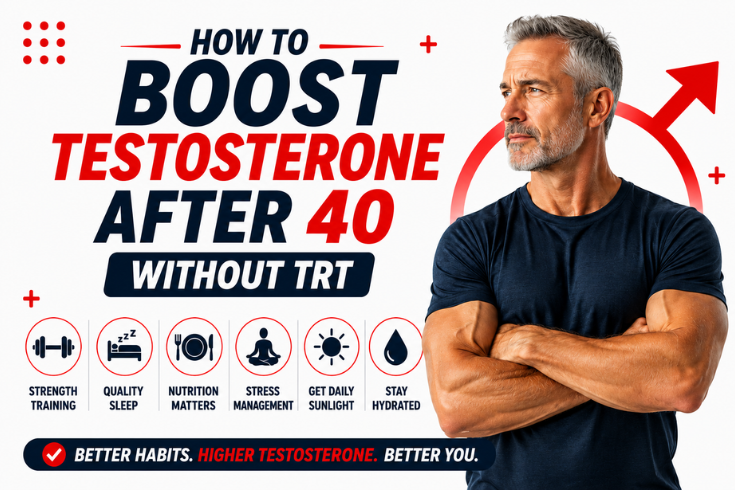
Many men notice lower energy, less muscle, and reduced libido after age 40. Some jump straight to testosterone replacement therapy – but for many, a structured plan of lifestyle, testing, and targeted supplements can raise levels enough to reduce symptoms and delay or avoid TRT.
This guide gives a practical, evidence-based pathway to improve testosterone naturally and to recognize when medical therapy is the right next step. You will get specific tests to order, a step-by-step 8-week plan, training and diet targets, supplement recommendations, and clear red flags for specialist referral.
Why testosterone often falls after 40
Testosterone declines about 1 to 2 percent per year after age 30 in many men. Contributing factors include increasing body fat, chronic stress, poor sleep, and illnesses such as type 2 diabetes. Medications like opioids or some antidepressants also lower testosterone.
Important point: age alone does not mean you need lifelong TRT. In many cases, modifiable factors are the main drivers and respond to targeted intervention.
How to evaluate low testosterone correctly
Accurate assessment starts with symptoms plus labs. Symptoms alone are not specific enough, so confirm with morning blood tests done fasting.
Order these baseline tests:
- Total testosterone, drawn between 7:00 and 10:00 AM and repeated on a separate day if low
- Free testosterone or calculated free testosterone
- Sex hormone binding globulin – SHBG
- Luteinizing hormone and follicle stimulating hormone – LH and FSH
- Estradiol, prolactin
- Complete blood count, comprehensive metabolic panel
- Hemoglobin A1c and fasting glucose if overweight
- PSA if age 40 or older or with prostate risk
These tests help determine if low testosterone is primary (testicular) or secondary (pituitary or functional). Low LH with low testosterone suggests secondary causes that require different management.
An evidence-based 8-week plan to raise testosterone
This plan targets the main lifestyle drivers of low testosterone: excess fat, poor sleep, low muscle mass, and chronic inflammation. Follow all elements together for best results.
Weeks 1 to 8 – Training
Resistance training is the single most reliable natural stimulus for testosterone and muscle. Use a progressive program focused on compound lifts.
- 3 strength sessions per week: squat or leg press, deadlift or hinge, bench press or push-up, rows or pull variations.
- Sets and reps: 3-5 sets of 5-8 reps for main lifts, adding 2.5-5 kg when you can complete all sets.
- Add one higher rep accessory day for hypertrophy: 8-15 reps across 3 sets for biceps, triceps, and shoulders.
Include one 10-20 minute high intensity interval training – HIIT – session weekly to improve insulin sensitivity without excess cortisol.
Nutrition targets
Diet influences hormones through body composition and nutrient status.
- Protein: aim for 0.7 to 1.0 grams per pound of ideal body weight daily to support muscle and recovery.
- Calories: if overweight, target a conservative deficit of 250 to 500 calories per day for 0.5 to 1.0 lb weight loss per week; avoid aggressive deficits that increase cortisol.
- Fat: include 25 to 35 percent of calories from healthy fats – olive oil, avocados, nuts – to support steroid hormone production.
- Carbohydrates: time carbs around workouts to fuel training and maintain performance.
Sleep and recovery
Sleep is essential for testosterone synthesis. Aim for 7 to 9 hours nightly with consistent bed and wake times.
Practical steps include limiting screens 60 minutes before bed, keeping the bedroom cool and dark, and avoiding caffeine after early afternoon. Short naps under 30 minutes can help recovery without disrupting night sleep.
Stress and lifestyle
Chronic stress elevates cortisol which antagonizes testosterone. Use daily stress-reduction practices like 10-20 minutes of brisk walking, mindfulness breathing, or progressive muscle relaxation.
Reduce alcohol to less than 14 standard drinks per week and avoid nightly heavy use. Maintain regular social contact and hobbies to support mental health.
Targeted supplements with evidence
Supplements can support recovery when deficiencies exist. Use tested, short-term courses and re-evaluate labs.
- Vitamin D3: 2000 to 5000 IU daily if 25-OH vitamin D is under 30 ng/mL; recheck in 8 to 12 weeks.
- Zinc: 15 to 30 mg daily only if dietary intake is low or blood zinc is low; avoid long-term high doses.
- Magnesium: 200 to 400 mg at night can improve sleep and recovery.
- Ashwagandha: 300 to 600 mg daily has modest evidence for improving testosterone and reducing stress in some studies.
Avoid unregulated testosterone boosters that list proprietary blends and large stimulant doses. Always discuss supplements with a clinician if you take medications.
When lifestyle changes are not enough: considering TRT
If you complete a structured program and have persistent symptoms with consistently low morning testosterone on two separate tests, discuss TRT with a clinician experienced in men’s health.
Consider TRT when low testosterone coexists with bothersome symptoms such as low libido, significant fatigue, and loss of lean mass, and when secondary causes have been ruled out. Discuss fertility goals first – TRT suppresses spermatogenesis and is not appropriate if you seek to conceive.
What to expect with TRT and monitoring
If started, common forms include intramuscular injections, transdermal gels, or subcutaneous pellets. Benefits often appear as improved libido and energy within 2 to 6 weeks, with muscle and strength gains over 8 to 16 weeks.
Monitoring includes hematocrit and hemoglobin every 3 months initially, liver and metabolic labs, estradiol if symptoms suggest imbalance, and periodic PSA in men over 40. Dose adjustments are guided by symptoms and blood levels.
Red flags and when to see a specialist
Urgent referral is needed for very low testosterone with low LH and acute symptoms, markedly elevated prolactin, testicular pain or asymmetry, or suspected pituitary disease. Also refer if PSA rises significantly or hematocrit climbs above 54 percent on therapy.
Important: never start injections from nonmedical sources or online without medical oversight. Proper dosing and monitoring prevent complications.
Frequently Asked Questions
What are the most common symptoms of low testosterone?
Common symptoms include fatigue, reduced libido or erectile issues, loss of muscle mass, increased body fat, and cognitive changes such as brain fog. These symptoms can overlap with other conditions, so testing is critical.
Can lifestyle changes raise testosterone enough to avoid TRT?
Yes, many men with mild to moderate reductions see meaningful improvements from weight loss, resistance training, improved sleep, and targeted supplements. However, men with very low levels or specific medical causes may still need TRT.
How long does it take to see results from natural methods?
You can expect initial energy and sleep improvements in 2 to 6 weeks, strength gains in 6 to 12 weeks, and measurable testosterone increases by 8 to 12 weeks when consistent lifestyle changes are applied. Lab reassessment at 8 to 12 weeks helps track progress.
Which blood tests confirm low testosterone?
Confirm low testosterone with morning total testosterone measured twice on separate days, and consider free testosterone and SHBG for borderline cases. Add LH, FSH, prolactin, estradiol, and metabolic labs to identify causes and plan treatment.
Are testosterone-boosting supplements safe and effective?
Some supplements like vitamin D, zinc, and magnesium can help when deficits exist and have good safety profiles at recommended doses. Herbal products can show modest benefits but vary in quality; discuss them with a clinician to avoid interactions.
When should I start TRT instead of continuing natural methods?
Consider TRT when symptoms remain significant despite an evidence-based lifestyle program and when two morning blood tests confirm persistent low testosterone. Also consider patient goals, fertility desires, and risk-benefit discussion with a specialist.
Bringing testosterone back to a healthier range after 40 is usually a process. Start with accurate testing, follow the structured 8-week plan above, and reassess both symptoms and labs. If problems persist, consult a qualified clinician to discuss further options including TRT, fertility preservation, and long-term monitoring.
Disclaimer
This blog is for informational and educational purposes only and does not constitute medical advice, diagnosis, or treatment. The content provided is based on general health information and research available as of the publication date. Individual health conditions vary, and what works for one person may not be appropriate for another.
Always consult with a qualified healthcare provider before starting any new treatment, including testosterone replacement therapy (TRT), making changes to existing treatments, or if you have questions about your specific health condition. Never disregard professional medical advice or delay seeking it because of information you read on this blog.
If you are experiencing a medical emergency, call 911 or your local emergency services immediately. The information on this website does not create a doctor-patient relationship and should not be used as a substitute for professional medical advice, diagnosis, or treatment.